
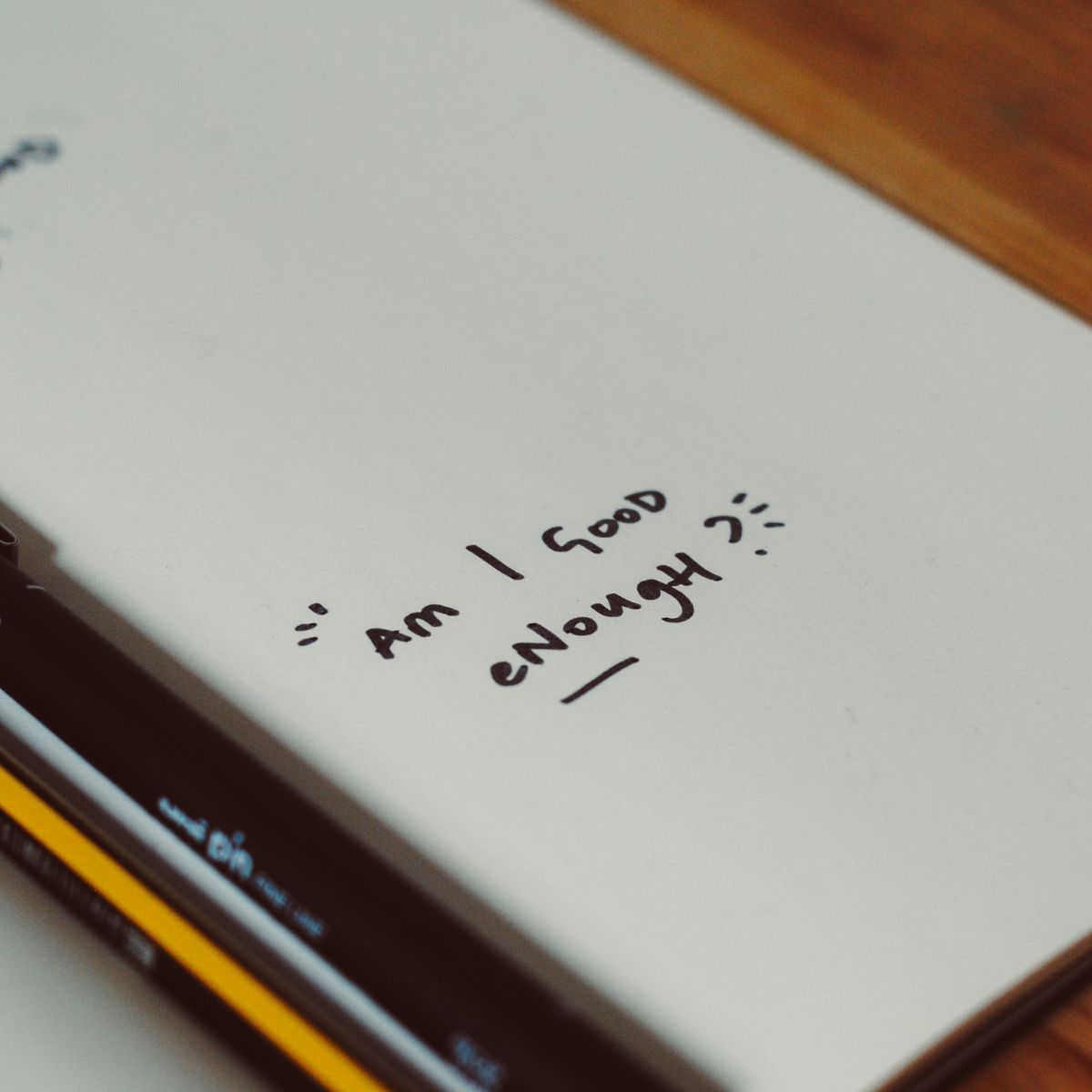
The weeks leading up to a new school term can be filled with excitement for some children — and dread for others. Back-to-school anxiety is far more common than most parents realise, and it can affect learners of any age, from Grade R right through to matric. This guide will help you recognise the signs, understand the causes, and take practical steps to help your child feel confident and ready to return to school.
Recognising the Signs of Back-to-School Anxiety
Anxiety in children does not always look like what adults expect. Children often lack the vocabulary to express their worries, so anxiety frequently shows up as physical symptoms or changes in behaviour rather than as clearly stated fears. Watch for these common signs.
- Stomach aches, headaches, or nausea that appear on school mornings but disappear on weekends
- Difficulty falling asleep or frequent nightmares in the weeks before school starts
- Increased clinginess or reluctance to separate from parents
- Irritability, mood swings, or emotional outbursts that seem disproportionate
- Loss of appetite or changes in eating habits
- Withdrawal from friends or activities they usually enjoy
- Regression to earlier behaviours such as bedwetting or thumb-sucking
- Excessive worry about specific scenarios — "What if I don't have anyone to sit with?"
- Procrastination on school preparation tasks like packing bags or organising uniforms
Practical Strategies to Ease the Transition
Once you have recognised the signs, the next step is action. These strategies are practical, evidence-based, and appropriate for children across all age groups. Adapt them to suit your child's personality and developmental stage.
Re-establish school-day routines at least a week before the term begins. Adjust bedtimes and wake-up times gradually, reintroduce structured meal times, and reduce screen time. Familiarity with routine reduces the sense of disruption that fuels anxiety.
Talk openly about feelings. Create space for your child to express their worries without judgement. Acknowledge their feelings rather than dismissing them with "There's nothing to worry about." Instead, try "I can see you're feeling worried about going back. Tell me more about what's on your mind."
Prepare practically. Reduce uncertainty by organising the school bag, labelling stationery, laying out the uniform, and reviewing the timetable together. The more familiar the physical aspects of school feel, the less overwhelming the emotional aspects become.
Focus on connection, not just achievement. Ask "What are you looking forward to this term?" rather than "What marks are you aiming for?" Let your child know that your love is not conditional on academic performance.
Relaxation Techniques for Anxious Children
Teaching your child simple relaxation techniques gives them tools they can use independently when anxiety strikes — whether at home, on the way to school, or in the classroom.
Deep Breathing Exercises
Deep breathing activates the body's calming response. Teach your child the 4-4-4 technique: breathe in for four counts, hold for four counts, breathe out for four counts. For younger children, make it playful — "Smell the flowers" (breathe in) and "Blow out the candles" (breathe out). Practise together until it becomes automatic.
Guided Visualisation
Help your child imagine a calm, safe place in detail — their favourite beach, a cosy corner of their room, or a favourite holiday memory. Walk them through the sights, sounds, and feelings of that place. With practice, they can close their eyes and transport themselves there whenever anxiety builds.
Art and Colouring as Calm-Down Tools
Drawing, colouring, or doodling engages the brain in a focused, repetitive activity that naturally reduces stress. Keep colouring books and art supplies accessible at home. For older children, journaling or creative writing can serve the same function. The act of externalising worries onto paper often makes them feel more manageable.
When to Seek Professional Help
In South Africa, SADAG (South African Depression and Anxiety Group) offers a free helpline and resources for parents and children. Your child's school counsellor or an educational psychologist can also provide targeted support.
- Anxiety persists beyond two to three weeks into the term without improvement
- Your child consistently refuses to attend school despite your efforts
- Physical symptoms such as stomach aches or headaches occur daily
- There are signs of depression — persistent sadness, loss of interest in everything, or expressions of hopelessness
- Your child's anxiety is significantly affecting their ability to learn, make friends, or participate in daily life
Help Your Child Succeed
iRainbow provides 15,000+ video lessons, gamified activities, and a free AI Tutor — all aligned with CAPS and IEB curricula. One subscription covers all your children.