
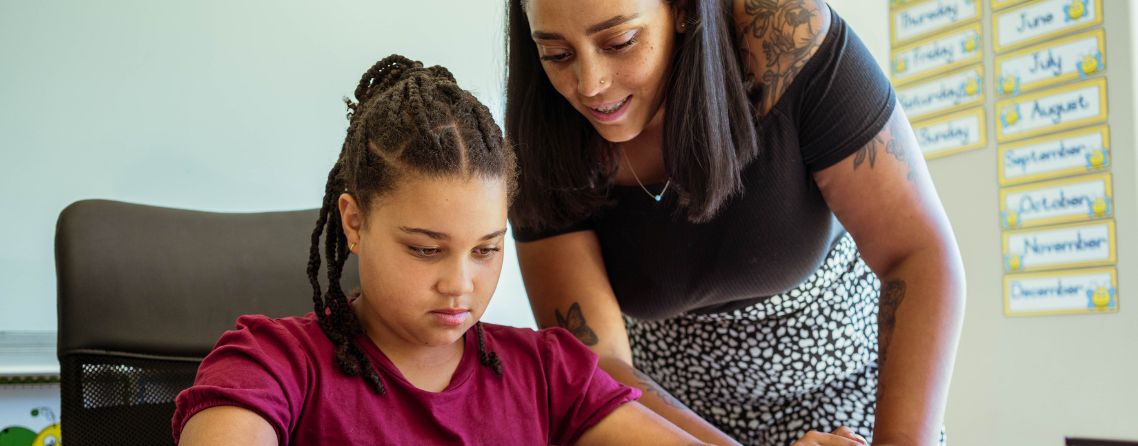
Many parents enter parent-teacher meetings uncertain about which questions to ask or how to convert teacher feedback into support at home. These meetings can feel like an obligation rather than a meaningful opportunity to engage with your child's education. The truth is that successful parent-teacher meetings hinge on preparation and partnership. Arriving prepared transforms these brief sessions into powerful tools for your child's progress.
Understanding the Purpose of Parent-Teacher Meetings
Parent-teacher meetings create space for discussing your child's academic performance, behaviour, and social development. Teachers share observations about classwork and school interactions, while parents provide insights into habits, interests, and challenges outside school. This two-way communication supports a comprehensive understanding of the whole child.
Why These Meetings Matter
When children know that their parents are engaged with their school, their own engagement increases. These meetings demonstrate your commitment to education and often boost your child's motivation and sense of accountability.
Preparing for the Meeting
Reflect, Talk to Your Child, and Review
Note your observations about your child's academic performance, behaviour, and social skills. Document specific concerns. Ask your child how they feel about school, what challenges them, and what achievements they are proud of. Review past report cards and teacher notes to identify patterns and recurring issues.
Create a Question Checklist
Prepare questions across these eight categories to ensure you cover all important areas during the meeting.
- Academic progress: key learning goals, current strengths and skill gaps, assessment versus homework performance
- Learning strategies: effective classroom approaches, needed accommodations or interventions
- Behaviour and engagement: lesson participation, behaviour patterns, effective classroom motivators
- Social and emotional development: peer interaction quality, friendship concerns, stress indicators
- Assessment and feedback: graded work frequency, upcoming tests, how success is defined
- Home collaboration: high-impact study habits, recommended daily reading and maths practice, one actionable joint goal
- Enrichment and extension: suitable clubs, competitions, or reading recommendations
- Communication and follow-up: preferred update methods, next check-in date, additional teacher recommendations
Bring Work Samples
Concrete evidence shifts discussions from vague impressions to actionable insights. Bring recent assessment scores, homework rubrics, and progress data highlighting mastery gaps or growth. Include work samples from both weak and strong subjects, placing data side by side to pinpoint comprehension breakdowns. Keep everything in a labelled folder for quick reference.
Icebreakers for a Positive Start
Begin with a positive observation about your child or the teacher's work. Comments like sharing how excited your child was about a particular lesson, or appreciating the time and energy the teacher invests, establish an encouraging tone and build rapport.
During the Meeting
Enter with collaborative intent and maximise the limited time available. Begin by thanking the teacher and sharing one positive observation about your child's work or attitude.
Active Listening and Note-Taking
Silence your phone and maintain full presence. Periodically paraphrase what the teacher says to confirm understanding. Use a two-column system with observations on the left and potential actions on the right. Capture direct quotes illustrating strengths or concerns. Summarise the agreed next steps aloud before leaving, and transfer action items to your calendar within twenty-four hours.
Set SMART Goals with Your Child
Work with the teacher to set goals that are Specific, Measurable, Achievable, Relevant, and Time-bound. Pinpoint one weaker skill, agree on metrics such as scoring above a certain percentage on quizzes, ensure the goal is realistic, link it to class objectives, and define a clear deadline. Post the goals visibly at home and track progress together.
Following Up After the Meeting
After the meeting, discuss key points with your child, emphasising both praise and areas for development. Frame conversations collaboratively so your child feels proud and motivated rather than criticised. Implement teacher recommendations into daily routines and let your child help choose resources, giving them ownership and commitment. Track progress as weeks pass, celebrate milestones however small, and address setbacks promptly.
Maintain ongoing dialogue with the teacher. Send progress updates and request feedback on any lingering concerns. This continuous communication keeps everyone aligned and allows strategy refinement throughout the school year.
Handling Challenging Conversations
When difficult topics arise such as behaviour issues, declining grades, or social conflicts, follow a three-step approach. First, acknowledge the teacher's concerns to signal partnership. Second, explore the situation together for deeper understanding. Third, collaborate on a shared action plan with specific responsibilities for both home and school.
The Science Behind Why Parent-Teacher Meetings Matter
Research consistently demonstrates the impact of parental engagement. Studies show that learners whose parents regularly discussed school with them scored significantly higher on reading assessments, equivalent to roughly 1.5 years of academic advantage. A meta-analysis of 77 investigations concluded that parental involvement lifts academic achievement, often by at least twelve percent. Other research has shown that structured parent-school communication can reduce truancy and disciplinary incidents measurably.
Help Your Child Succeed
iRainbow provides 15,000+ video lessons, gamified activities, and a free AI Tutor — all aligned with CAPS and IEB curricula. One subscription covers all your children.