
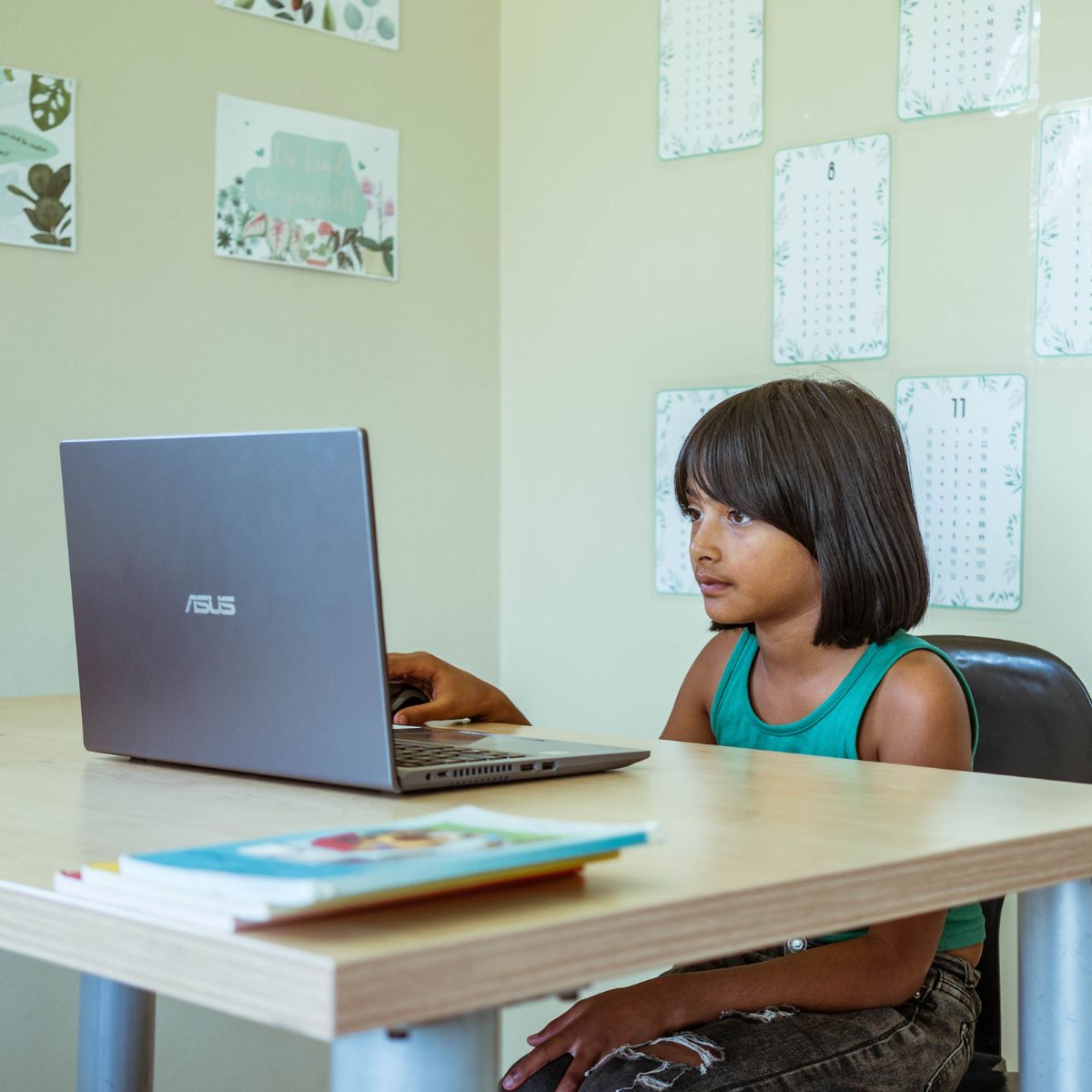
Learning stress often stems from the environment rather than the subject matter itself. Children struggle with focus and motivation when their home does not support their learning style. Thoughtful adjustments can transform any space into a powerful learning zone where both academic and emotional growth can flourish. Creating a learning-friendly home goes beyond simply setting up a desk. It involves fostering the development of life skills and academic ability through intentional design.
Key Elements of a Learning-Friendly Home
A learning-friendly home is one where the physical environment, daily routines, and family culture all support focused, productive study. Here are the key elements to consider.
Structuring Your Child's Day for Academic Success
Rhythm and predictable structure dramatically boost engagement. A well-organised daily schedule with focused learning periods and adequate rest creates the foundation for both academic success and emotional wellbeing. Predictable structure reduces anxiety and enables deep learning and problem-solving. When routines are consistent, children internalise growth mindset behaviours, viewing learning as a process rather than a source of pressure.
Helping Your Child Study Amid Noise and Siblings
Many South African homes are busy, shared spaces where complete quiet is not always possible. There are practical strategies to help your child focus even in a noisy environment.
- Use noise-blocking tools such as headphones, nature sounds, or ambient noise apps
- Create a dedicated study zone that the child can personalise as their own
- Apply the Pomodoro Technique with twenty to twenty-five minute focus sprints followed by short breaks
- Give siblings parallel quiet activities like colouring or puzzles during study time
- Teach calm-down techniques such as stretching, deep breathing, and positive reframing
Finding a Healthy Balance Between Screen Time and Study Time
Set clear, age-appropriate boundaries and build screen-free focus blocks into your child's day for reading and hands-on learning. Children with structured limits on screen time show better sleep patterns, stronger academic performance, and improved attention spans. Encourage technology breaks after thirty to forty-five minutes of online work, and incorporate outdoor play and creative projects into the daily routine.
Establishing Homework Habits That Stick
Build lasting homework habits through consistent routines and a distraction-free environment with all necessary supplies nearby. Use visual cues like a homework time sign or a checklist to signal the transition into study mode. Break tasks into manageable chunks so your child does not feel overwhelmed. When your child feels motivated and achieves early successes, they approach future homework with greater confidence.
Encouraging a Growth Mindset at Home
A growth mindset is the belief that abilities and intelligence are not fixed traits but can be developed through effort and practice. Children with a growth mindset embrace challenges, try again after mistakes, and seek help readily. Research shows that growth mindset interventions improve academic performance, particularly for students who are struggling.
Strategies for Building a Growth Mindset
Normalise mistakes by helping children view errors as necessary learning milestones rather than failures. Use visual elements such as posters, affirmations, and themed decor to remind children that intelligence grows with effort. Implement daily reflection by having children journal about one mistake they made and what they learned from it. These visual cues function as environmental priming, influencing thoughts and behaviours without direct instruction.
Incorporating Fun and Creativity into Learning
Learning does not have to involve only worksheets and deadlines. Playful exploration and expressive activities boost engagement and brain development, opening children to innovative thinking. When children are enjoying themselves, their brains are more receptive to new information. Incorporate games, art projects, music, and creative storytelling into your home learning environment.
Let Your Home Become a Learning Sanctuary
Your home can transcend being a simple study space and become an environment where confidence builds, curiosity thrives, and academic resilience develops. With intentional design and consistent routines, any home can support meaningful learning. Educational software like iRainbow supports learners in Grades 1 to 12, whether they need to catch up, stay motivated, or deepen their love of learning.
Help Your Child Succeed
iRainbow provides 15,000+ video lessons, gamified activities, and a free AI Tutor — all aligned with CAPS and IEB curricula. One subscription covers all your children.